

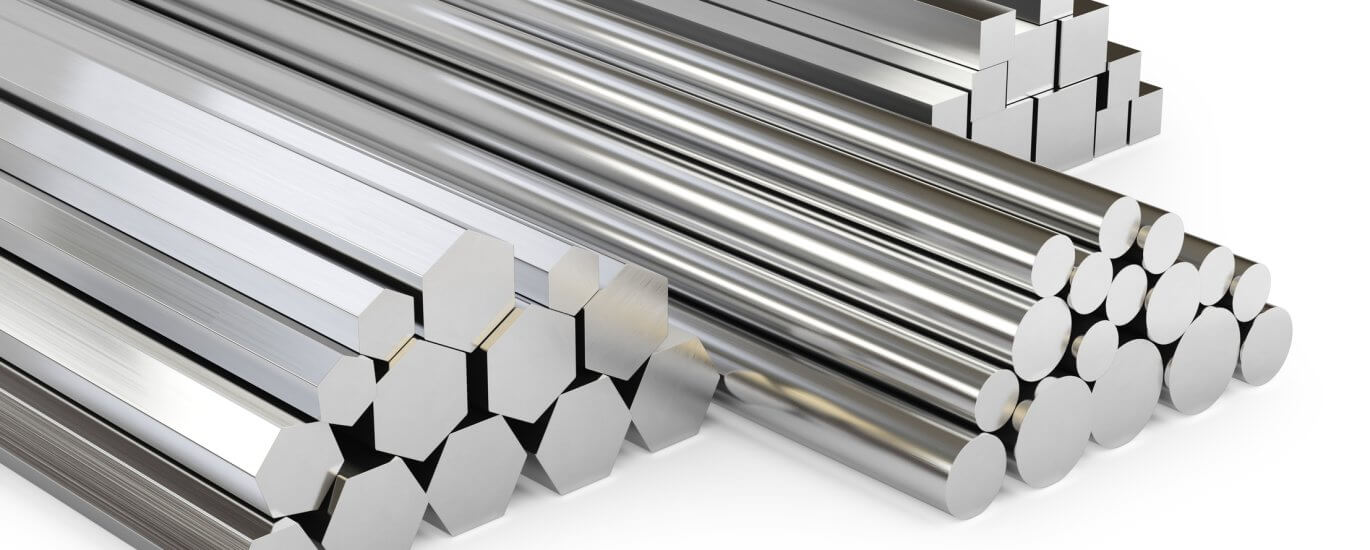
Alloy steel serves as the cornerstone of contemporary infrastructure, providing unmatched strength, resilience, and adaptability for modern construction. This essential material lies at the heart of vital sectors, providing a reliable foundation for transportation, energy networks, and urban expansion. For those seeking to learn more about alloy steel and its broad range of applications, consider visiting https://www.specialtysteel.com/alloy-steel/ for comprehensive insights and product options.
As urban areas and industries evolve, the need for robust materials that withstand environmental impacts and intensive use becomes critical. Alloy steel’s unique mechanical properties make it a preferred choice for projects demanding durability and longevity. From bridges connecting cities to networks powering homes and businesses, this versatile alloy is transforming infrastructure. Its global adoption reflects a commitment to innovation and longevity. Manufacturers, engineers, and policymakers recognize that forward-thinking material choices are essential for community growth and system resilience.
Recent construction and manufacturing trends emphasize resilience and sustainability. Advances in alloy steel production enhance infrastructure’s ability to meet global challenges. For a technical overview of advanced alloys and their structural role, the International Energy Agency provides extensive resources on steel innovations.
Transportation Infrastructure
Alloy steel has revolutionized transportation infrastructure. Bridges rely on it for strength and durability, resisting corrosion and deformation, which extends lifespan and reduces maintenance costs. In tunnel construction, alloy steel anchors ensure stability against ground shifts, water, and vibrations, especially for underground and underwater routes.
Urban infrastructure like bike paths and overpasses also use alloy steel to boost mobility and safety with low upkeep. Railway systems benefit from alloy steel’s ability to withstand dynamic loads and vibrations, supporting freight and passenger needs, minimizing downtime, and ensuring safety nationwide.
Energy Sector Applications
Alloy steel is vital in the energy sector, used in pipelines for oil, gas, and water to withstand internal pressure and corrosion. Its resistance to wear ensures safe transport under extreme conditions. Renewable energy infrastructure also depends on alloy steel: wind turbine towers, solar panel supports, are made from high-strength, corrosion-resistant steel, reducing maintenance and supporting sustainable practices. The IEA provides data on steel’s role in renewable energy and its global impact.
Urban Development
In the built environment, alloy steel is frequently selected for projects where weight, flexibility, and load-bearing capacity are primary concerns. High-rise buildings, for example, depend on alloy steel frameworks to achieve height and structural stability. The ability of alloy steel to accommodate architectural creativity while upholding safety standards makes it essential to modern skylines.
Parking garages, large sports stadiums, and multi-use arenas benefit from alloy steel’s long-span capabilities, enabling vast open spaces without intermediate supports. In public transit systems, including metro stations and elevated guideways, alloy steel is chosen not only for its strength, but also for its resistance to vibrations and wear from daily commuter use. Moreover, many contemporary designs showcase exposed alloy steel for its industrial aesthetic, blending function and form in urban architecture.
Innovations in Alloy Steel
Groundbreaking developments continue to expand alloy steel’s applications. High-strength, low-alloy (HSLA) steels like HY-80, once reserved for naval construction, are now employed in bridges and industrial infrastructure due to superior strength-to-weight ratios and improved fatigue resistance. The adoption of weathering steels for outdoor applications has significantly increased structural longevity and reduced maintenance costs, especially in regions with severe climates or high levels of pollution.
Manufacturers are investing in new alloying techniques and processing technologies to further enhance steel’s mechanical properties. These advancements enable infrastructure to achieve greater spans, innovative shapes, and enhanced load tolerance, positioning alloy steel as a material of choice for both present and future megaprojects.
Sustainable Infrastructure
Sustainability becomes integral to alloy steel development, with industry leaders adopting low-carbon methods like green hydrogen and renewable-powered electric arc furnaces to reduce carbon footprints and align with global climate goals. Recycling efforts further promote eco-friendliness, with over 80% of alloy steel in certain construction sectors sourced from recycled materials. These practices conserve resources, lower emissions, and enhance the sustainability of new infrastructure projects.
Conclusion
Alloy steel stands as a foundation of modern infrastructure, enabling advancements that define contemporary living and industry. Its unrivaled adaptability, strength, and eco-friendly evolution ensure it will continue to play a role in building resilient, efficient, and sustainable systems for generations to come.

