

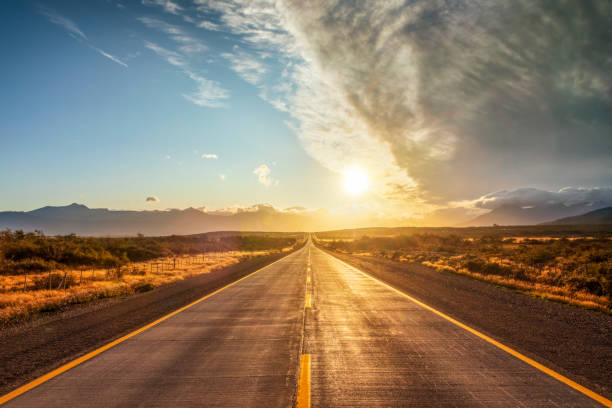
Few ideas have captured the human imagination quite like life on the open road. From classic literature and films to modern travel culture, the image of a long stretch of road disappearing into the horizon represents more than just travel. It symbolizes freedom, independence, discovery, and the possibility of new experiences waiting beyond the next turn.
The cultural appeal of the open road has remained strong for generations. While transportation technology and travel habits have evolved, the deeper meaning associated with road travel continues to resonate with people around the world.
Freedom and Personal Independence
One of the most powerful reasons the open road holds such cultural appeal is the sense of freedom it represents. Traveling by road allows individuals to move at their own pace, choose their own destinations, and change plans whenever inspiration strikes.
Unlike tightly scheduled forms of travel such as flights or guided tours, road journeys offer flexibility and spontaneity. Travelers can stop in small towns, explore scenic viewpoints, or take unexpected detours simply because something catches their attention.
This freedom to shape the journey independently is often what makes road travel feel so personal and meaningful.
A Journey That Matters as Much as the Destination
Another key aspect of the open-road experience is the emphasis on the journey itself. In many forms of travel, the destination is the primary focus. Road travel, however, places equal importance on the experiences encountered along the way.
The changing landscapes, roadside cafés, local conversations, and scenic routes all become part of the story. Each mile traveled adds another layer to the overall adventure.
This mindset encourages travelers to slow down, observe their surroundings, and appreciate the process of exploration rather than simply rushing toward a final destination.
A Symbol in Popular Culture
The open road has long been celebrated in music, literature, and film. Stories about road trips and long journeys often explore themes of personal transformation, adventure, and self-discovery.
From iconic road-trip films to songs that celebrate endless highways, the road has become a symbol of possibility and escape. These cultural representations reinforce the idea that travel can be more than transportation, it can be a journey of personal growth.
This cultural influence continues to inspire travelers who seek experiences that feel authentic and transformative.
The Rise of Road-Based Travel Experiences
In recent years, road travel has experienced renewed popularity. Many travelers are rediscovering the joy of exploring destinations at their own pace through road trips and vehicle-based adventures.
This style of travel offers a sense of control and flexibility that appeals to people who want to avoid crowded tourist routes and instead explore quieter, more scenic locations.
Motorcycles, in particular, have become closely associated with the open-road lifestyle. Riding allows travelers to experience the environment more directly, feeling the changing weather and landscapes as they move through them.
For riders planning journeys across regions or relocating to new areas, Suffolk motorcycle shipping can help simplify logistics by ensuring bikes are transported safely to the starting point of the next adventure.
Connection with Landscape and Place
Road travel often creates a deeper connection between travelers and the environments they pass through. Unlike fast-paced forms of transport, traveling by road allows individuals to observe gradual changes in landscapes, cultures, and communities.
Travelers can move from coastal routes to countryside villages and bustling towns, gaining a broader sense of the regions they explore. These transitions help people appreciate the diversity of places and cultures along their journey.
This sense of connection is one of the reasons many travelers consider road-based adventures to be among their most memorable experiences.
Community and Shared Experiences
Life on the open road also fosters a sense of community. Travelers often meet others who share similar interests in exploration and adventure.
Whether it is a conversation at a roadside café, a shared scenic stop, or a gathering at a travel destination, these interactions contribute to the social aspect of road culture.
Motorcycle communities, in particular, are known for their strong sense of camaraderie. Riders often acknowledge each other on the road and gather at events, rallies, or travel destinations.
These shared experiences help create a culture that celebrates exploration and connection.
A Continuing Source of Inspiration
Despite advances in technology and changing travel habits, the open road continues to inspire people around the world. It represents a lifestyle that values exploration, independence, and personal discovery.
For many travelers, the road offers a reminder that adventure does not always require distant destinations. Sometimes it begins simply by choosing a direction and starting the journey.

